Knowledge
News
-
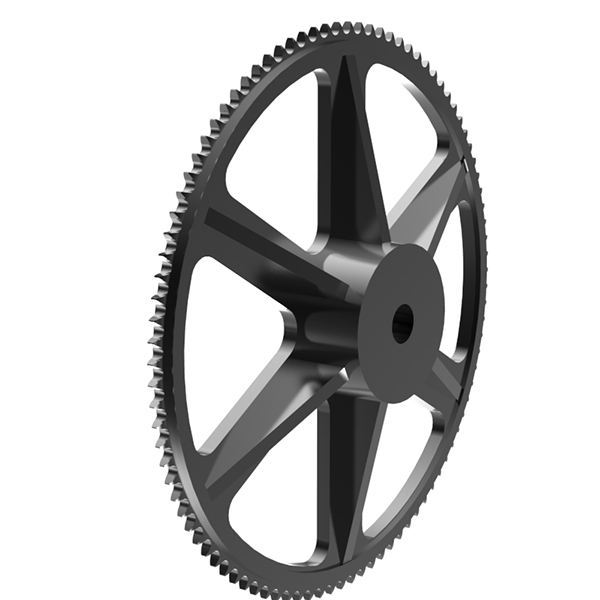
 Synchronous power transmission relies heavily on the precision of timing belt pulleys to ensure zero-slip performance and accurate torque delivery. These components are critical in industrial automation, automotive systems, and heavy machinery, where timing errors can lead to catastrophic mechanical failure. This guide examines the technical requirements and procurement considerations for sourcing high-performance pulleys from experienced timing belt pulley manufacturers . From a commercial perspective, selecting a partner involves more than comparing catalogs; it requires evaluating the manufacturers integrated capacity in casting and machining. For B2B buyers in sectors like windmill generation or food processing, the ability to maintain strict groove anglesRead more
-
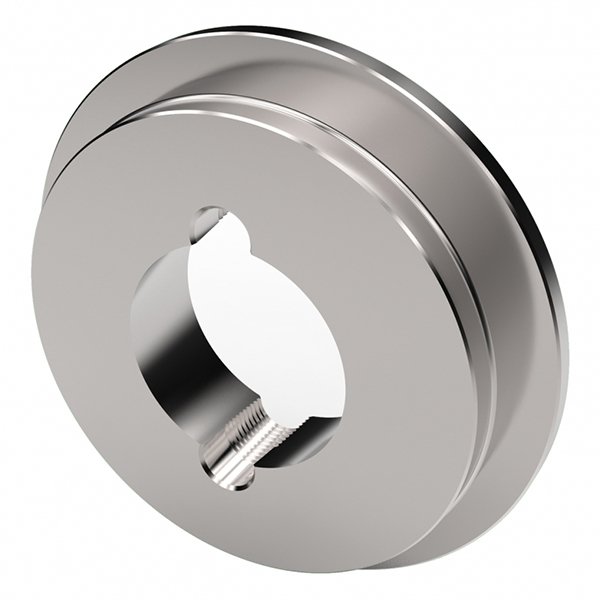
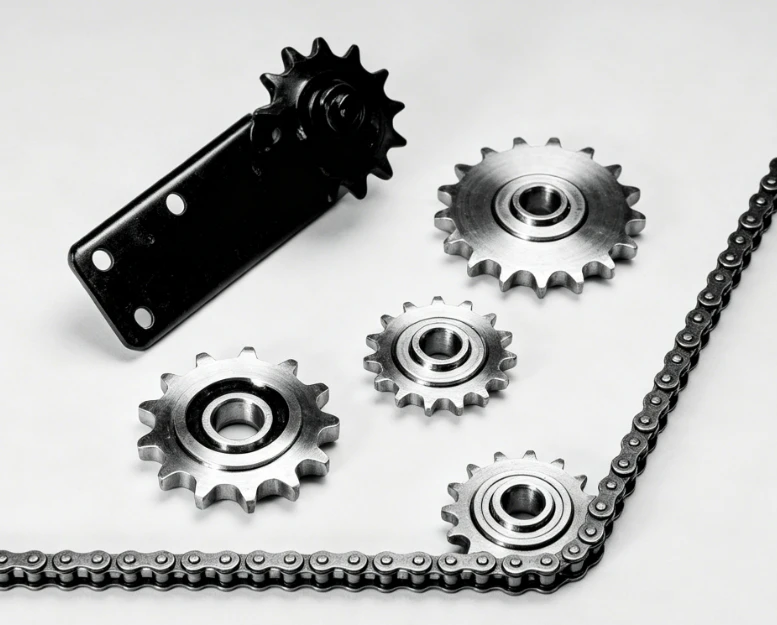
 Procuring precision power transmission components requires a balance between material durability and cost-efficiency. When evaluating the timing belt pulley price, procurement managers must look beyond the initial quote and analyze the total cost of ownership, including wear resistance and installation precision. High-performance pulleys are critical for maintaining synchronization in industrial machinery, where any slippage can lead to systemic failure or costly downtime. Our technical focus extends to specialized components such as stainless steel sprockets and double simplex configurations, ensuring that the transmission system can handle high-torque loads in demanding environments.Read more
-
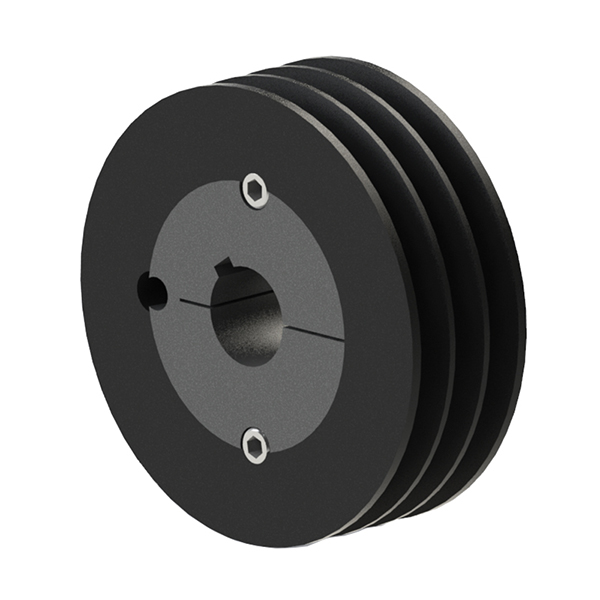
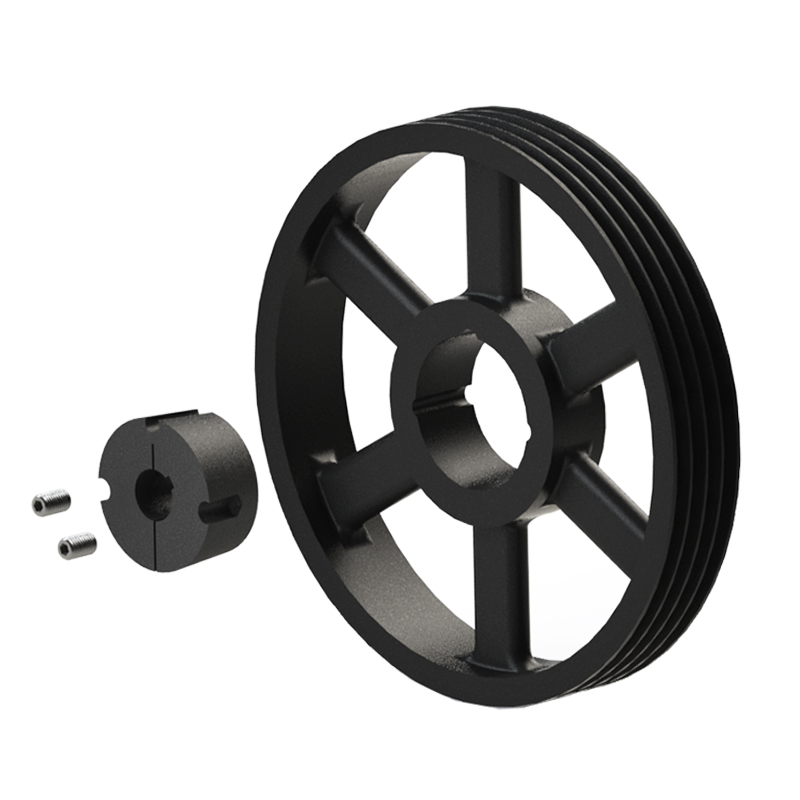
 V-belt pulleys are critical mechanical components used to transmit power between shafts via friction-based belts. These components are essential in a vast array of industrial machinery, ensuring that torque is transferred efficiently to drive motors, pumps, and fans. The primary goal for most procurement managers is to find a balance between affordability and operational reliability to maintain system uptime. In the context of industrial manufacturing, searching for cheap v belt pulleys often leads to a trade-off between material quality and purchase price. However, professional manufacturing capabilities, such as those combining foundry work with precise machining, can provide cost-effective solutionsRead more
-
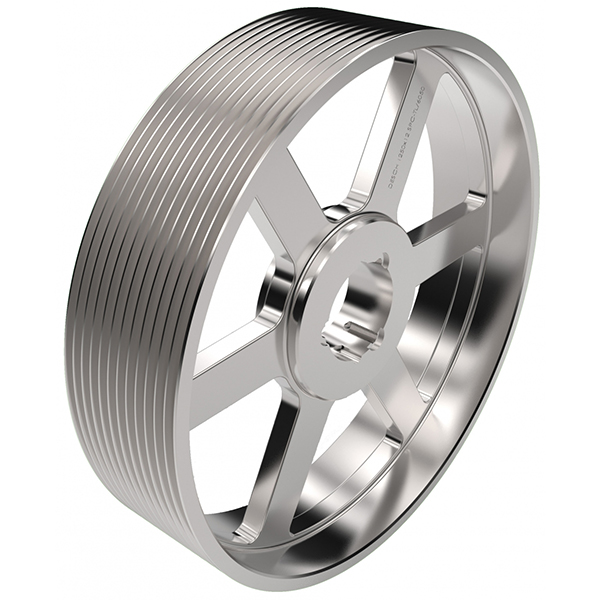
 V-belt drive systems are fundamental to mechanical power transmission, providing a reliable method for transferring torque between shafts. For specialized industrial machinery, standard off-the-shelf components often fail to meet the specific spatial constraints or torque requirements of a design, necessitating custom v belt pulleys to ensure operational efficiency and longevity. The challenge in custom transmission design lies in balancing material strength, precise groove geometry, and rotational stability. Whether for agricultural equipment or large-scale mining machinery, the pulley serves as the critical interface where friction converts rotational energy into movement; any deviation in machining can lead to premature belt wear, energy loss,Read more
-
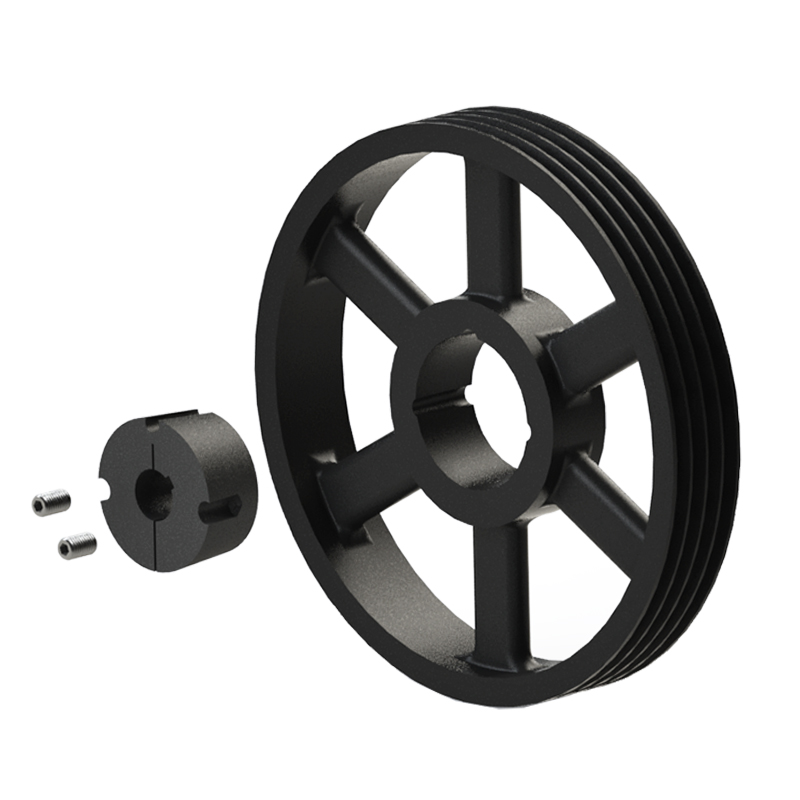
 Achieving precise torque transmission in industrial machinery requires more than just selecting a component; it demands a strategic balance between material durability and geometric accuracy. For engineers overseeing power transmission systems, the transition to HTD High Torque Drive Taper Bore Timing Pulleys represents a shift toward reduced maintenance and increased operational efficiency. These components are engineered to eliminate the slippage common in traditional friction drives, ensuring that synchronization remains absolute even under fluctuating loads. Whether integrating pulleys into windmill generators, heavy-duty agricultural equipment, or precision food processing machinery, the choice of pitch and belt widthranging from 20mm to 85mmdirectly impacts the systems power density.Read more
-
 Motor mounting systems are critical components in mechanical engineering, designed to secure electric motors to a chassis while isolating the rest of the machine from operational vibrations. When standard off-the-shelf components fail to meet specific torque or spatial requirements, the implementation of custom motor mounts becomes necessary to ensure equipment longevity and operational safety. In B2B industrial environments, the challenge lies in balancing structural rigidity with dampening capabilities. Improperly designed mounts can lead to premature bearing failure, misalignment of power transmission components, and excessive noise pollution. For industries ranging from agriculture to mining, the ability to specify exact dimensionsRead more