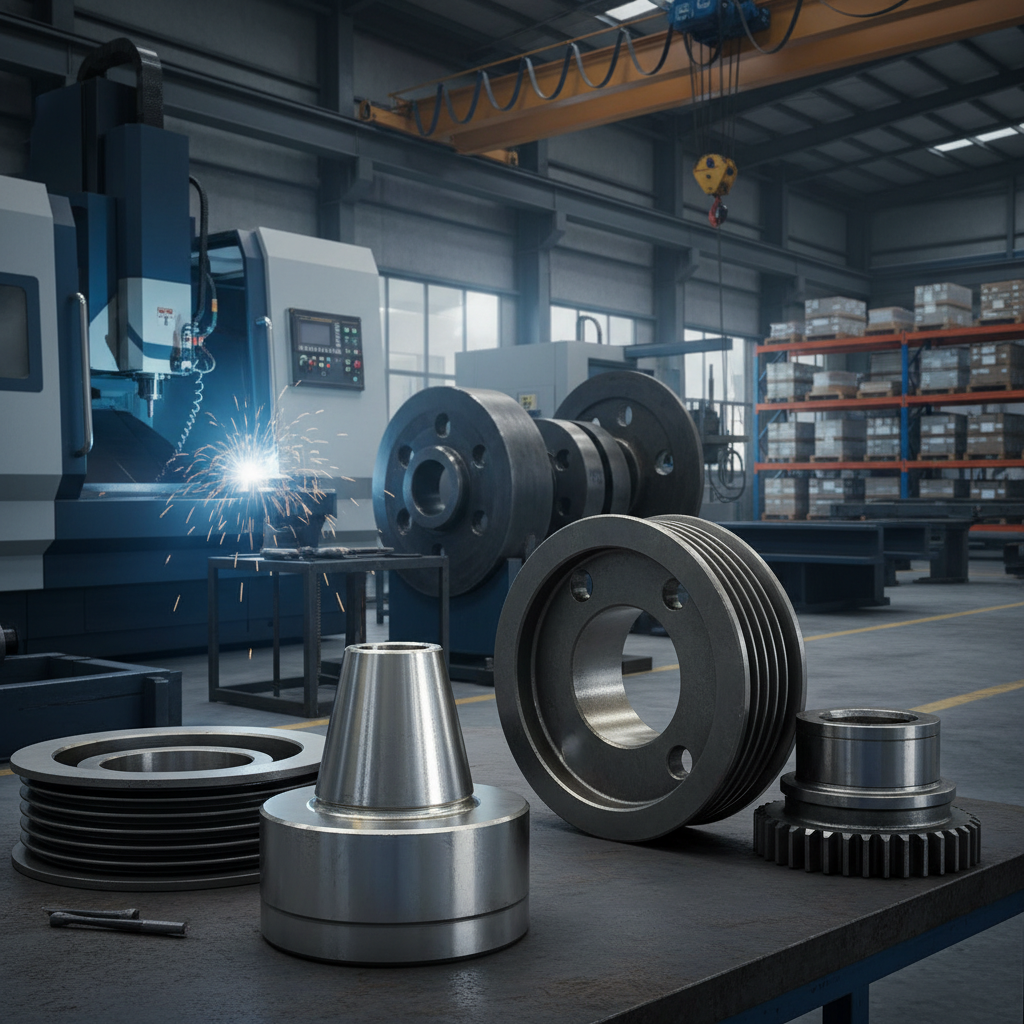
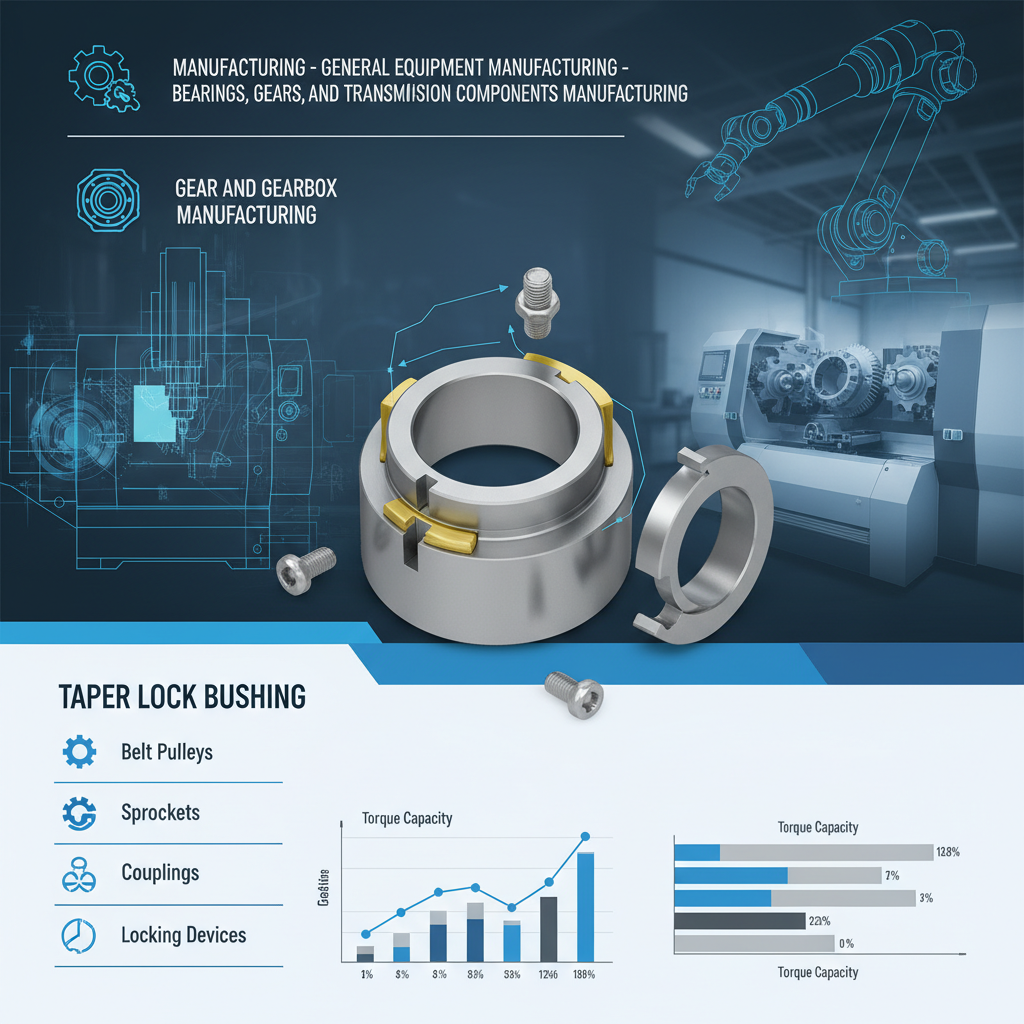
In the complex world of power transmission, the taper bush serves as a critical bridge between the driving shaft and the hub of a pulley or sprocket. This ingenious mechanical component eliminates the need for traditional keyways in many applications, providing a secure, interference-fit connection that significantly reduces the risk of shaft damage. By leveraging a conical geometry, it transforms axial force into a powerful radial grip, ensuring that torque is transmitted efficiently without slippage.
The global demand for precision engineering in the general equipment manufacturing sector has propelled the evolution of the taper bush from a simple adapter to a high-performance locking device. Whether in heavy-duty mining machinery or high-speed textile looms, the ability to quickly mount and dismount components is paramount for reducing downtime. As industries move toward more modular designs, these bushes provide the flexibility required to adapt a single hub to various shaft diameters, optimizing inventory and reducing production costs.
Understanding the technical nuances of the taper bush is not merely about selecting a part number; it is about enhancing the overall reliability of a machine. When properly implemented, these devices minimize vibration, prevent fretting corrosion, and ensure perfectly concentric alignment. This guide explores the global industrial context, the mechanical advantages, and the future innovations surrounding this indispensable tool in the realm of gears, reducers, and transmission systems.
Global Industrial Relevance of Taper Bush
From a global perspective, the widespread adoption of the taper bush aligns with ISO standards for interchangeable mechanical components. In regions like Europe and East Asia, where high-precision manufacturing is the backbone of the economy, the move toward standardized locking devices has reduced the reliance on custom-machined shafts. This standardization allows for a more fluid global supply chain, where a pulley manufactured in one country can be seamlessly fitted to a motor shaft in another using a universal bush system.
The primary challenge addressed by this technology is the inherent inefficiency of traditional keyed joints, which often lead to "play" or looseness over time due to operational stress. By utilizing a wedge-action mechanism, the taper bush eliminates the mechanical backlash that frequently causes premature wear in heavy-duty gearboxes and transmission lines. This shift has not only improved machine longevity but has also significantly lowered the total cost of ownership for plant managers worldwide.
Defining the Mechanics of Taper Bush
At its simplest, a taper bush is a conical sleeve designed to lock a hub (such as a V-belt pulley or a sprocket) onto a cylindrical shaft. Unlike a standard bushing that relies on a press-fit or a key, the taper bush uses a precision-ground taper. When the mounting screws are tightened, the bush is drawn deeper into the tapered bore of the hub, simultaneously compressing the bush against the shaft. This creates a powerful 360-degree frictional grip that is far more secure than a localized keyway.
This mechanism is essential for modern industry because it decouples the hub's internal diameter from the shaft's external diameter. In a traditional setup, a pulley would need to be bored specifically for a 25mm shaft; if the motor were changed to a 28mm shaft, the pulley would become useless. With a taper bush, the user simply replaces the bush, keeping the expensive pulley intact. This flexibility is a cornerstone of Lean Manufacturing and just-in-time maintenance strategies.
Furthermore, the connection between the bush and the shaft is often reinforced with a key to prevent rotational slippage under extreme torque, but the primary holding force remains the tapered wedge. This dual-action security makes it an ideal choice for high-vibration environments, such as industrial crushers or conveyor systems, where a standard fit might fail. It transforms the shaft assembly from a static part into a dynamic, adjustable system.
Core Technical Components of Taper Bush
The effectiveness of a taper bush depends heavily on its material integrity and geometric precision. High-grade cast iron or alloy steel is typically used to ensure that the bush does not deform under the intense axial pressure generated during installation. The precision of the taper angle is the most critical factor; even a deviation of a few microns can lead to uneven clamping force, resulting in shaft eccentricity and increased vibration.
Another vital component is the locking mechanism, usually consisting of high-tensile bolts and a locking collar. The taper bush design ensures that as these bolts are tightened, the force is distributed evenly across the entire surface of the shaft. This prevents the "scoring" or gouging often seen with traditional press-fits, preserving the structural integrity of the motor shaft and making future removals effortless.
Finally, the interface between the bush and the hub must be perfectly matched. Most high-quality taper bush systems are designed with a standardized taper (often a 1:30 ratio), ensuring compatibility across different product lines, such as Taper Bore SPA or SPC pulleys. This interoperability allows engineers to scale their equipment without redesigning the entire drive train, promoting scalability and cost-efficiency.
Practical Applications Across Global Sectors
In real-world industrial contexts, the taper bush is ubiquitous in the agricultural sector, particularly in harvesting machinery and grain elevators. In these environments, equipment is often exposed to dust, moisture, and varying loads. The ability to quickly replace a worn pulley using a taper-lock system means that farmers can perform critical repairs in the field without needing a portable lathe or specialized machining tools, which is vital during tight harvest windows.
Beyond agriculture, these components are critical in remote industrial zones, such as mining operations in Australia or oil rigs in the North Sea. In these high-stakes environments, the reliability of power transmission is a safety issue. The taper bush provides a level of security that prevents catastrophic failure of drive components, ensuring that conveyor belts and ventilation fans operate continuously without the risk of the hub sliding off the shaft.
Performance Efficiency of Taper Bush Variants
Long-Term Value and Operational Advantages
The long-term value of implementing a taper bush extends far beyond the initial installation. From a financial perspective, the reduction in labor costs is significant. Since these bushings can be installed and removed with standard hand tools, companies no longer need to employ specialized millwrights for every pulley change. This democratization of maintenance allows on-site technicians to handle adjustments, drastically reducing the Mean Time to Repair (MTTR).
Moreover, there is a strong sustainability angle. By allowing the hub to be reused with different shafts, the taper bush reduces the amount of scrap metal generated during machine upgrades. In an era where ESG (Environmental, Social, and Governance) goals are driving corporate policy, choosing modular transmission components is a logical step toward a circular economy, reducing the carbon footprint associated with casting and shipping entirely new pulley assemblies.
Future Trends in Taper Bush Innovation
As we move toward Industry 4.0, the taper bush is evolving to integrate with digital monitoring systems. We are seeing the emergence of "smart" locking devices that incorporate strain gauges or piezoelectric sensors. These sensors can detect the exact amount of clamping force being applied during installation and monitor for any microscopic slippage during operation, alerting maintenance teams via IoT dashboards before a failure occurs.
Material science is also playing a pivotal role. The development of advanced ceramic-metal composites is leading to the creation of bushings that offer the strength of steel with a fraction of the weight and total immunity to corrosion. This is particularly relevant for the green energy sector, where wind turbine gearboxes require components that can withstand extreme weather and high torque loads without adding unnecessary rotational inertia.
Additionally, the push for automation is leading to the design of taper bush systems that are "robot-ready." This means featuring standardized gripping points and self-centering geometries that allow automated assembly lines to install them with micron-level precision, removing human error from the equation and ensuring perfectly balanced drive trains.
Overcoming Common Implementation Challenges
Despite their advantages, the most common failure point with a taper bush is over-tightening. When operators apply excessive torque to the mounting bolts, they risk stretching the bolts or, in extreme cases, cracking the hub. The solution lies in the adoption of calibrated torque wrenches and the implementation of strict installation protocols. Training staff to follow the manufacturer's specified torque values ensures that the frictional grip is optimal without compromising the material's structural limits.
Another challenge is the accumulation of debris or rust on the shaft, which can interfere with the taper's seat and lead to concentricity errors. To overcome this, experts recommend a thorough cleaning of the shaft surface using a fine abrasive cloth and the application of a very light film of molybdenum disulfide lubricant. This doesn't act as a lubricant in the traditional sense but helps the bush slide smoothly into the hub, ensuring a more uniform distribution of clamping pressure.
Finally, some users struggle with "stuck" bushings after years of service. The solution is the use of specialized taper-pullers or the application of controlled heat to expand the hub slightly. By understanding the thermal expansion coefficients of the taper bush and the hub, maintenance teams can safely remove components without damaging the shaft, preserving the machine's longevity and reducing the need for expensive replacements.
Comparative Analysis of Taper Bush Implementation Strategies
| Installation Method |
Clamping Reliability |
Removal Ease |
Shaft Wear Risk |
| Manual Torqueing |
Moderate (7/10) |
Easy |
Low |
| Calibrated Torqueing |
High (10/10) |
Moderate |
Minimal |
| Hydraulic Press-fit |
Very High (9/10) |
Difficult |
High |
| Thermal Shrinking |
High (8/10) |
Difficult |
Moderate |
| Key-only Locking |
Low (4/10) |
Very Easy |
High (Fretting) |
| Smart-Sensing Fit |
Perfect (10/10) |
Easy |
Minimal |
FAQS
The primary advantage is the distribution of the holding force. While a key focuses all the stress on one small area of the shaft (often leading to deformation or "wallowing"), a taper bush provides 360-degree contact. This eliminates backlash, reduces vibration, and allows for much easier installation and removal without damaging the shaft.
Not necessarily. The pulley must be specifically manufactured with a tapered bore to accept the bush. However, most industry-standard pulleys (like SPA, SPB, and SPC) follow standardized taper ratios. As long as the taper angle and the outer diameter of the bush match the hub's bore, they are compatible.
To prevent slippage, ensure the shaft is clean and free of burrs. Use a calibrated torque wrench to tighten the mounting bolts to the manufacturer's exact specifications. For extreme torque applications, always use a taper bush that includes a keyway, which provides a secondary mechanical lock against rotation.
First, try applying a penetrating oil and allowing it to soak. If that fails, use a specialized taper-puller tool. In stubborn cases, carefully apply heat to the hub using an induction heater or torch; the hub will expand faster than the bush, breaking the frictional bond and allowing for safe removal.
A very thin layer of molybdenum disulfide or a similar high-pressure lubricant is recommended. This is not to make it "slippery" in operation, but to ensure the bush seats fully and evenly into the tapered bore during the tightening process, preventing galling and ensuring a concentric fit.
In high-vibration environments, we recommend a check during the first 24-48 hours of operation, followed by quarterly inspections. Use a torque wrench to ensure no bolts have loosened due to thermal cycling or operational stress, as maintaining the precise clamping force is key to the taper bush's longevity.
Conclusion
The taper bush represents a perfect synergy of simplicity and high-performance engineering. By replacing rigid, permanent fittings with a flexible, wedge-action locking system, it has revolutionized how power is transmitted in the general equipment manufacturing sector. From reducing downtime and maintenance costs to enhancing machine stability and sustainability, the benefits of adopting this technology are clear for any operation seeking to optimize its drive systems.
Looking forward, the integration of smart materials and IoT monitoring will only further elevate the role of these components in the industrial landscape. As automation increases, the demand for precision-engineered, easily adjustable components will grow. We encourage engineers and plant managers to audit their current transmission setups and consider the long-term efficiency gains provided by high-quality taper-lock solutions. For industry-leading components and expert guidance, visit our website: www.hbopt.com