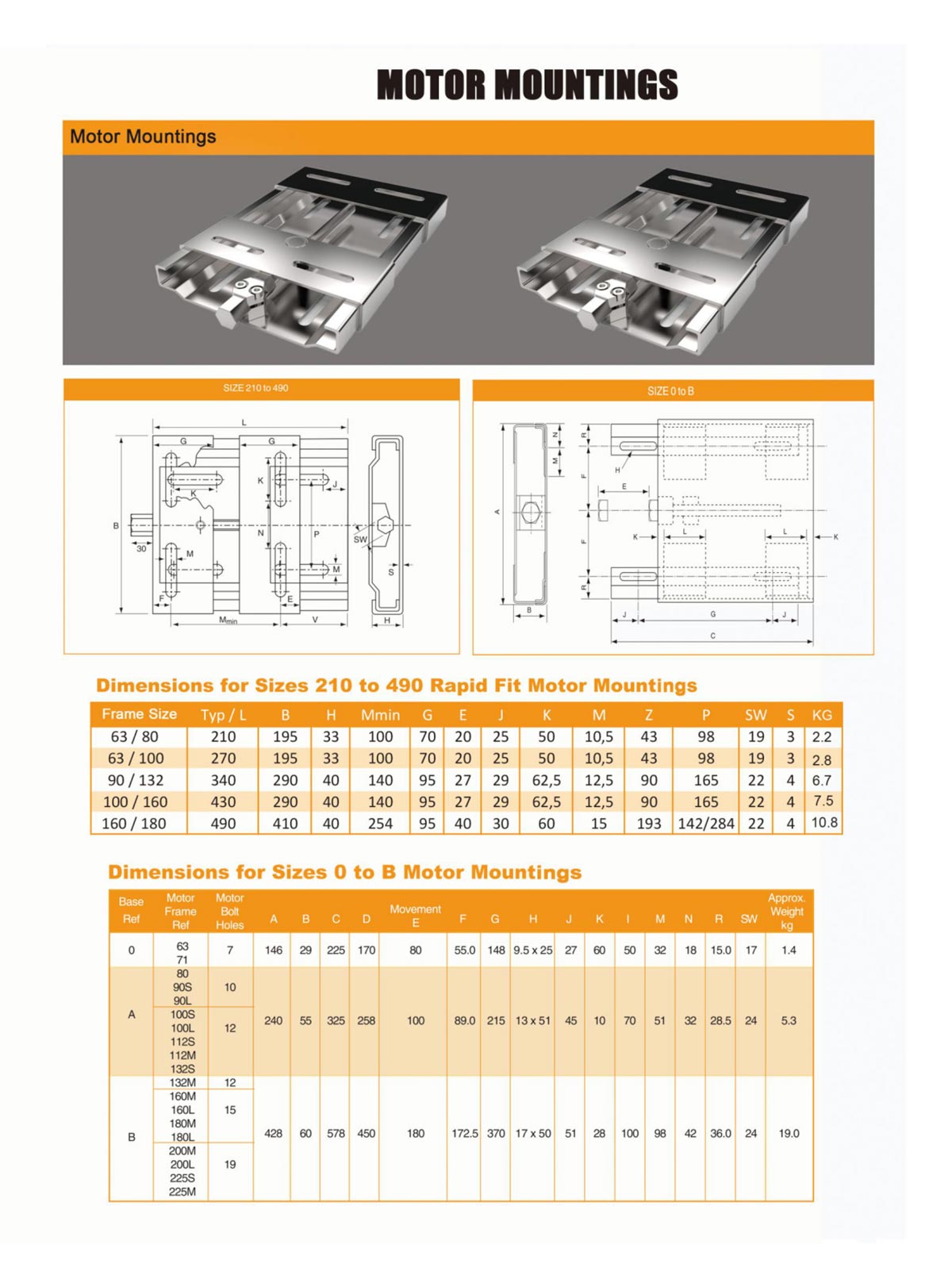
Motor Mounting Plates are essential structural components designed to provide a stable and secure base for electric motors. These plates ensure proper alignment between the motor and driven equipment, which is critical for efficient power transmission and reduced mechanical wear. By offering a rigid and precisely machined surface, Motor Mounting Plates help maintain consistent performance and prevent issues such as vibration, misalignment, and premature component failure. They are widely used in industrial machinery, conveyor systems, and various automation applications.
Manufactured from high-strength materials such as steel or aluminum, Motor Mounting Plates are built to withstand heavy loads and harsh operating conditions. Their design often includes pre-drilled holes and adjustable slots, allowing for easy installation and fine-tuning of motor position. This adjustability is particularly important for maintaining proper belt tension and alignment in power transmission systems. In addition, corrosion-resistant coatings or finishes enhance durability and extend service life. Motor Mounting Plates contribute significantly to the overall reliability and efficiency of mechanical systems by ensuring that motors are securely positioned and properly aligned. Their robust construction and practical design make them an indispensable component in modern industrial setups.
-
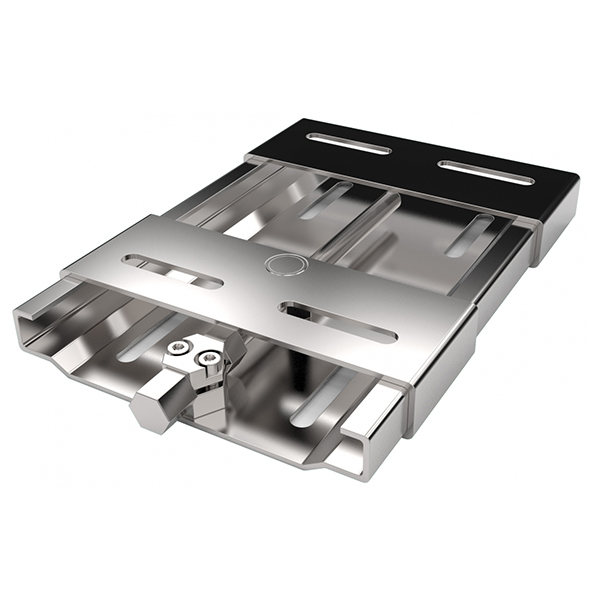
Adjustable motor mountings provide secure and flexible support for motors while allowing precise alignment. They help reduce vibration and ensure stable operation under different load conditions. Designed for durability and ease of installation, they are widely used in industrial and mechanical drive systems.
Key Advantages of Motor Mounting Plates in Industrial Drive Systems
Motor mounting plates are a fundamental component in modern mechanical and power transmission systems, providing a stable and adjustable base for electric motors. Their primary advantage lies in ensuring precise alignment between the motor shaft and driven components such as belt pulleys, sprockets, or couplings. Proper alignment is critical for minimizing vibration, reducing wear, and extending the lifespan of both the motor and connected equipment.
One of the most significant benefits of motor mounting plates is their adjustability. Many designs feature slotted holes or sliding rails, allowing technicians to easily adjust motor position for accurate belt tensioning. This is especially important in systems using V-belt pulleys or timing belt pulleys, where correct tension directly impacts efficiency and performance. With a well-designed mounting plate, users can quickly fine-tune alignment without the need for complex tools or time-consuming disassembly.
Durability is another key advantage. High-quality motor mounting plates are typically made from robust materials such as steel or cast iron, ensuring they can withstand heavy loads, continuous operation, and harsh industrial environments. For applications where weight reduction is important, lightweight options can also be integrated without compromising structural integrity.
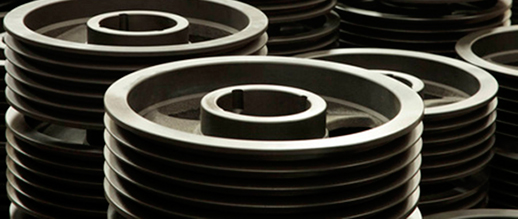
Additionally, motor mounting plates contribute to ease of installation and maintenance. They simplify the process of motor replacement or repositioning, reducing downtime and labor costs. In many cases, they are used alongside components like taper lock bushings or mounting hubs to create a complete and efficient drive system.
Overall, motor mounting plates enhance system stability, improve operational efficiency, and provide the flexibility needed in a wide range of industrial applications.
Applications of Motor Mounting Plates in Automation and Machinery Systems
Motor mounting plates are widely used across various industries due to their versatility and ability to support efficient motor integration. From heavy industrial equipment to precision automation systems, these plates play a crucial role in ensuring reliable and consistent performance.
In manufacturing and processing industries, motor mounting plates are commonly used in conveyor systems, pumps, and compressors. They provide a secure base that keeps motors aligned with belt pulleys or chain drives, ensuring smooth power transmission. The adjustable design allows operators to maintain proper belt tension, which is essential for reducing slippage and improving energy efficiency.
In automation and robotics, motor mounting plates are equally important. They are often used to support servo motors and stepper motors, where precision alignment is critical for accurate motion control. When combined with components like timing belt pulleys or precision couplings, these plates help achieve high levels of synchronization and repeatability.
Another key application is in HVAC systems, where motor mounting plates are used to position motors driving fans and blowers. Proper alignment and vibration reduction are essential in these systems to maintain quiet operation and optimize airflow performance.
Motor mounting plates are also widely utilized in OEM equipment design, where flexibility and modularity are essential. Engineers can design standardized platforms that accommodate different motor sizes and configurations, making it easier to scale production and adapt to various customer requirements.
In summary, motor mounting plates are indispensable in modern machinery. Their ability to provide stability, adjustability, and compatibility makes them a key component in improving system reliability and overall operational efficiency.