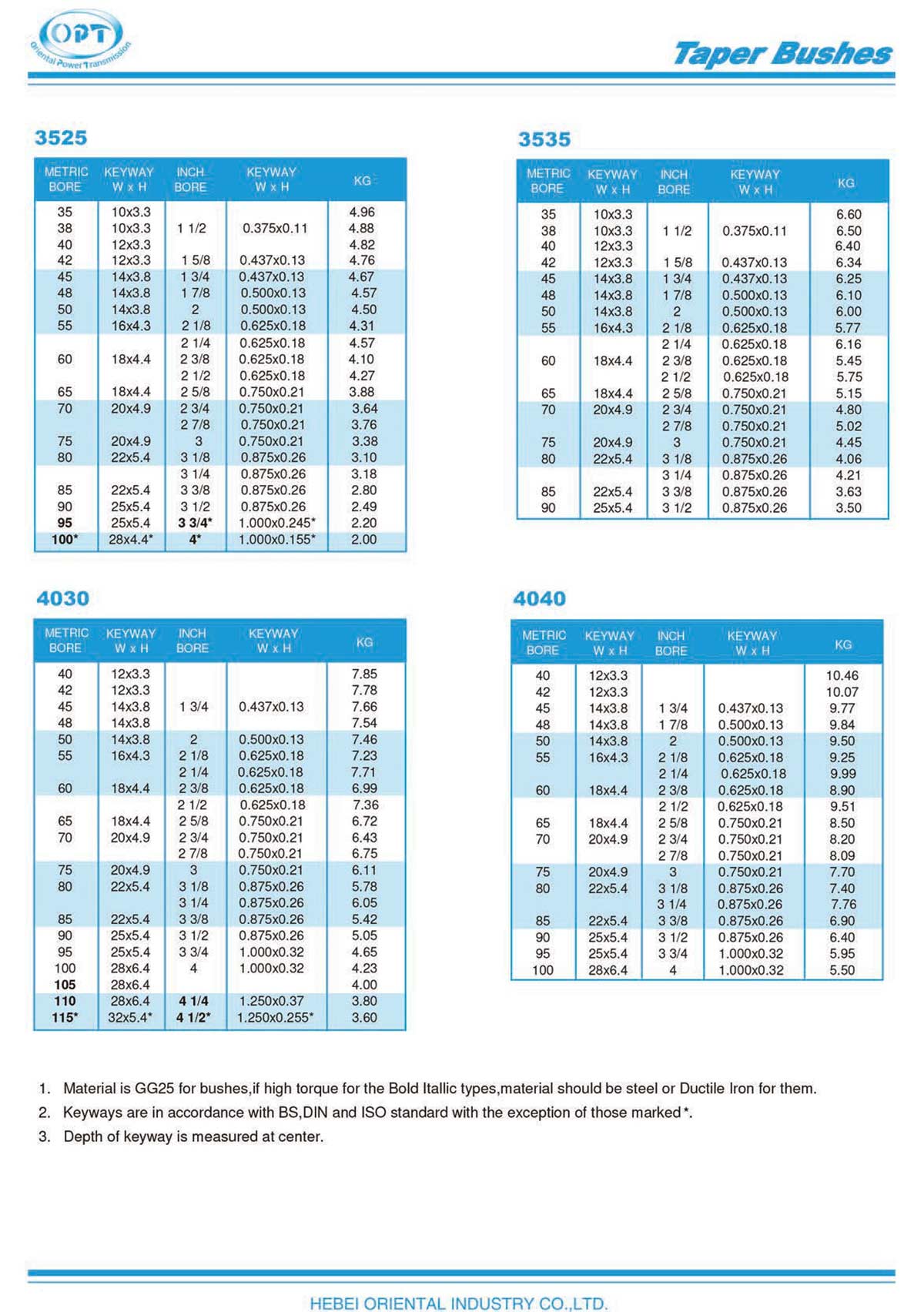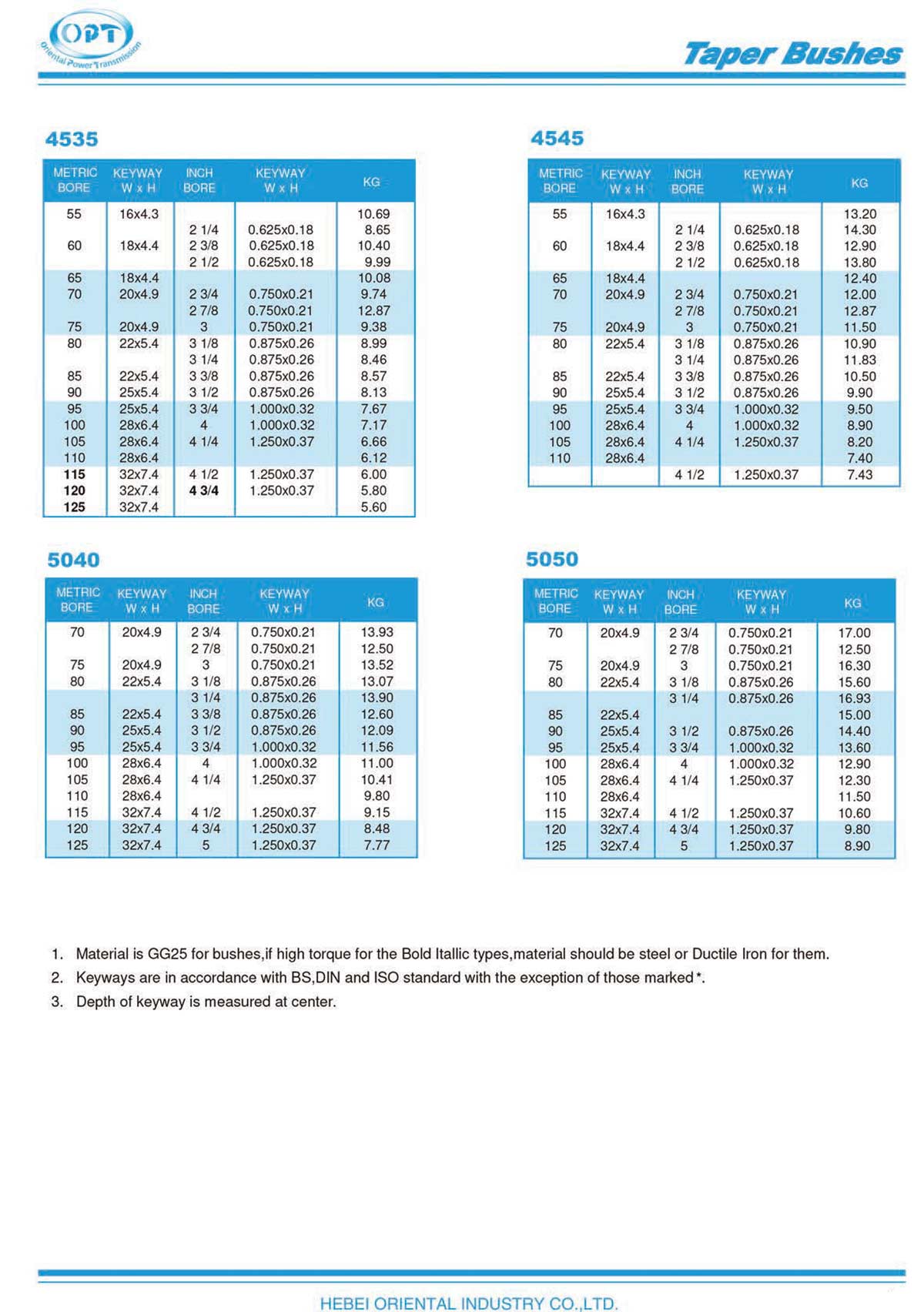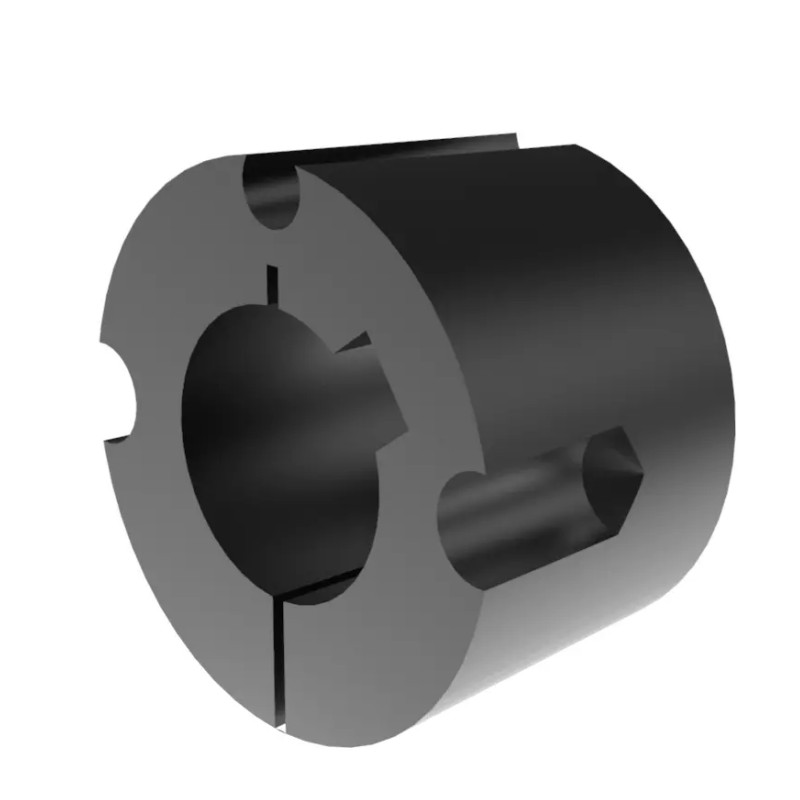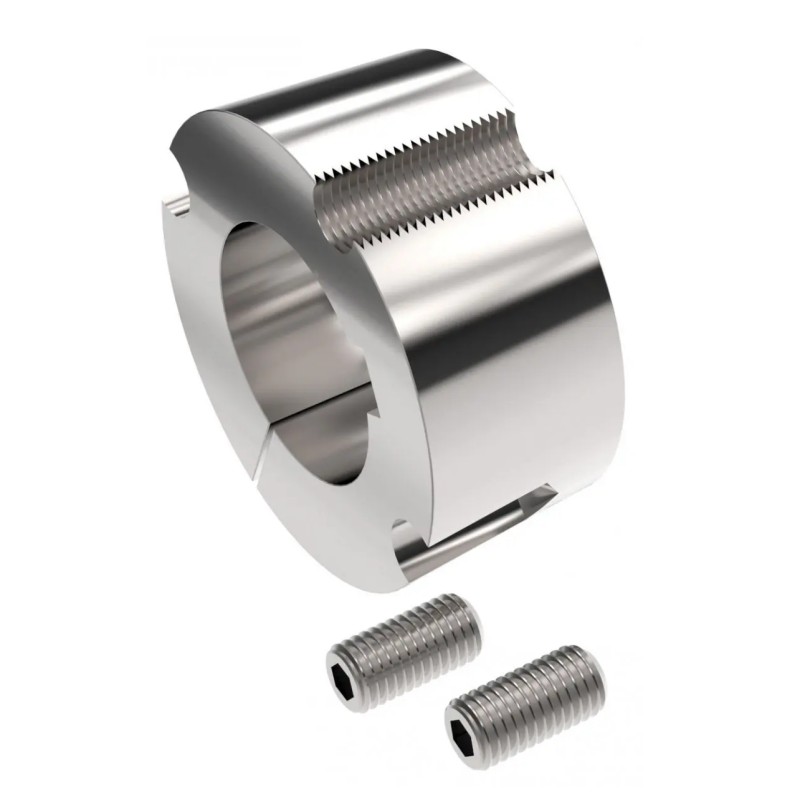
Taper Lock Bushings are essential mechanical components designed to provide a secure, reliable, and efficient connection between shafts and mounted transmission elements such as pulleys, sprockets, and couplings. Engineered with precision, these bushings feature a tapered outer surface that ensures a tight interference fit when installed, minimizing slippage and enhancing torque transmission. This design allows for easy installation and removal without causing damage to the shaft, making them highly practical for maintenance-intensive environments. Their versatility makes them suitable for a wide range of industrial applications, from manufacturing machinery to agricultural equipment and conveyor systems.
One of the key advantages of Taper Lock Bushings is their ability to accommodate various shaft sizes while maintaining consistent performance. By simply selecting the appropriate bushing size, users can adapt the same pulley or sprocket to different shafts, reducing inventory complexity and operational costs. Manufactured from high-quality materials such as cast iron or steel, these bushings offer excellent durability, wear resistance, and long service life even under demanding operating conditions. In addition, their standardized design ensures compatibility with global equipment specifications, making them a preferred choice for OEMs and replacement markets alike. Whether for new installations or retrofitting existing systems, Taper Lock Bushings deliver a dependable solution that combines strength, flexibility, and ease of use.
-
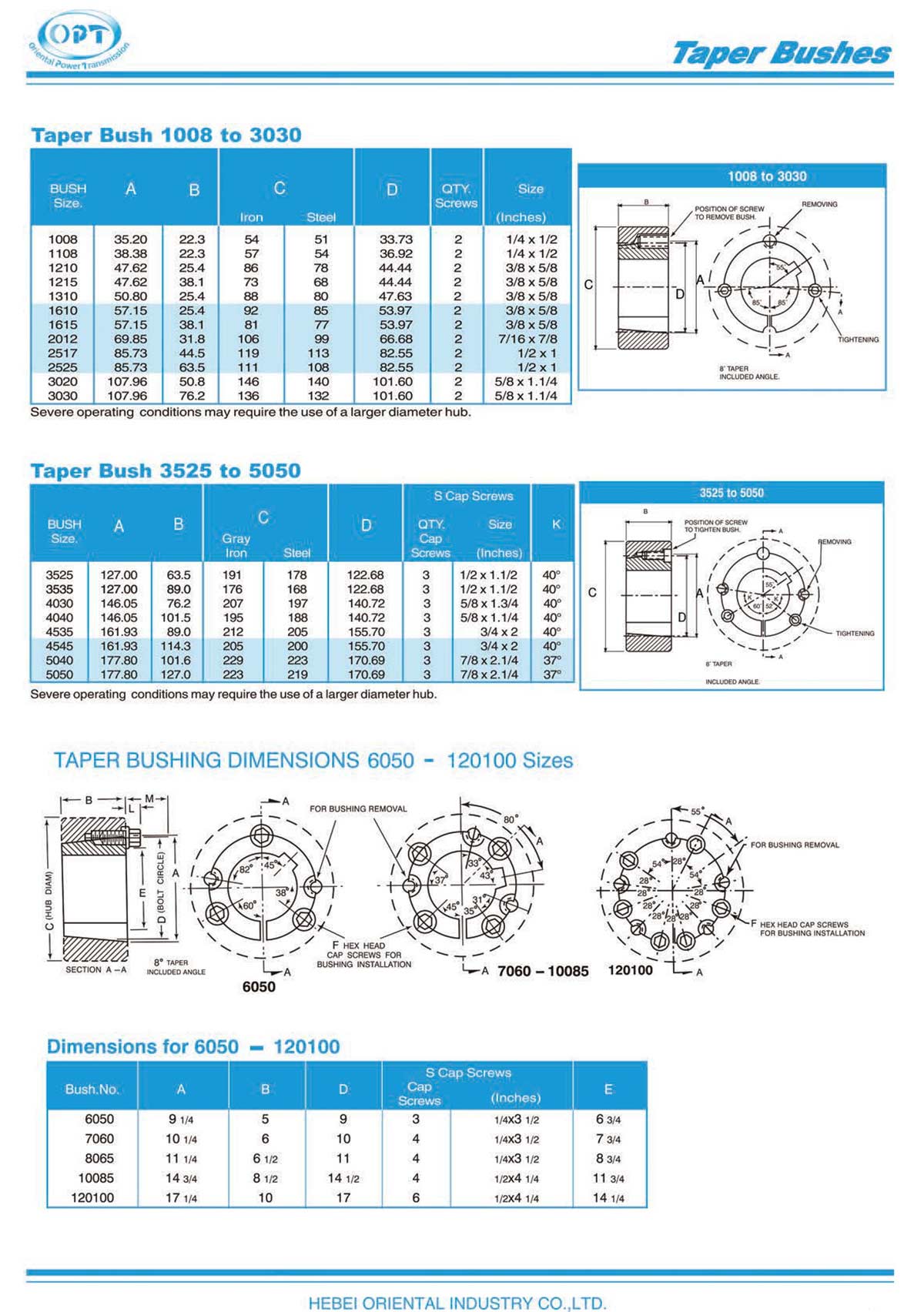
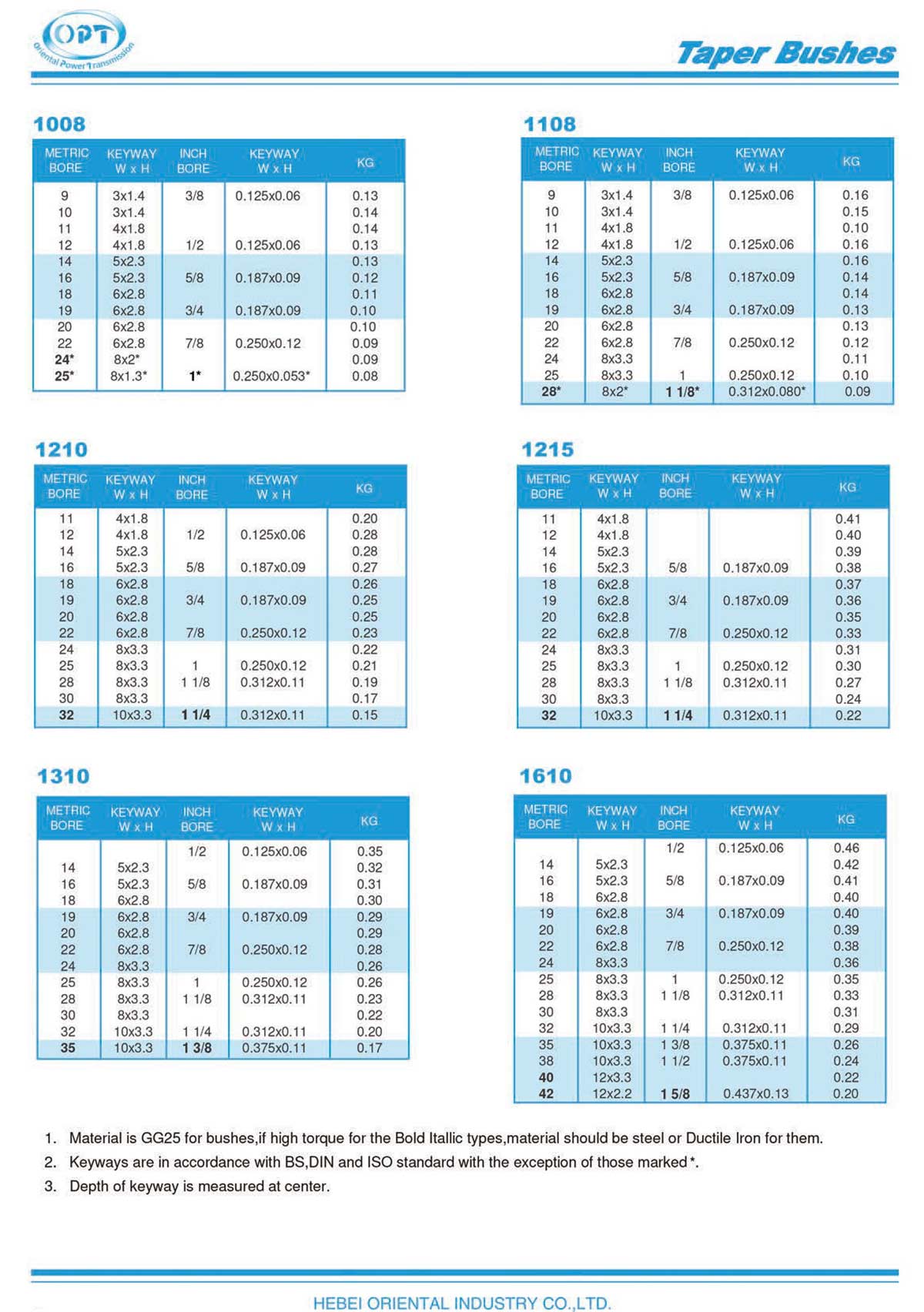
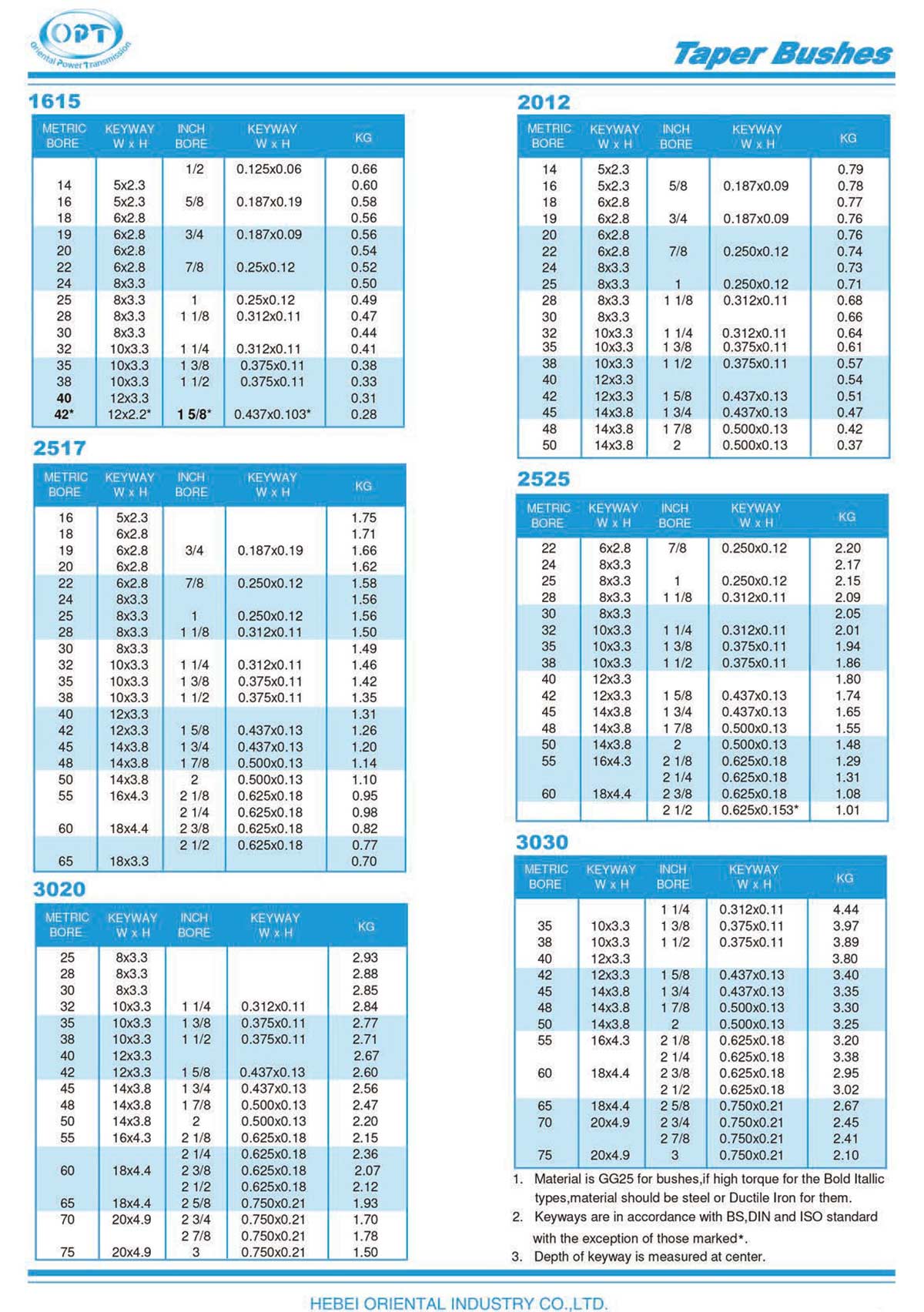
Taper bushes provide a secure and efficient method for mounting pulleys, sprockets, and hubs onto shafts. Their tapered design ensures strong grip, precise alignment, and easy installation or removal, making them essential components in power transmission systems.
What Is the Difference Between Qd Bushings and Taper Lock Bushings?
QD (Quick Detachable) bushings and taper lock bushings are both widely used mechanical power transmission components designed to mount pulleys, sprockets, and hubs onto shafts, but they differ significantly in structure, installation method, and application flexibility. A QD bushing uses a flanged design with a split taper and a set of cap screws that pull the bushing into the hub. The flange provides a mounting surface, which makes QD bushings easier to install and remove without fully disassembling surrounding components. This design is especially beneficial in heavy-duty applications where frequent maintenance is required, such as conveyor systems or industrial drives.
In contrast, a taper lock bushing features a more compact, flange-less design with a tapered outer surface and a split along its length. It fits into a matching tapered bore pulley or sprocket. When screws are tightened, the bushing contracts onto the shaft while simultaneously locking into the hub. This dual gripping action ensures high concentricity and strong torque transmission. Because of its simplicity and space-saving structure, taper lock bushings are commonly used in applications where installation space is limited.
Another key difference lies in interchangeability and global standardization. Taper lock bushings follow more universal sizing standards, making them highly interchangeable across different brands and regions. QD bushings, however, may vary slightly depending on manufacturer specifications. In terms of performance, both provide reliable shaft locking, but taper lock bushings are often preferred for high-speed applications due to better balance and alignment.
Ultimately, the choice between QD bushings and taper lock bushings depends on your application needs, including ease of maintenance, space constraints, and torque requirements. Both are essential shaft mounting solutions in modern mechanical systems.
How to Use a Taper Lock Bushing?
Using a taper lock bushing correctly is essential to ensure secure shaft mounting, optimal torque transmission, and long service life of your power transmission components. The installation process is relatively straightforward, but it requires attention to detail to achieve proper alignment and locking.
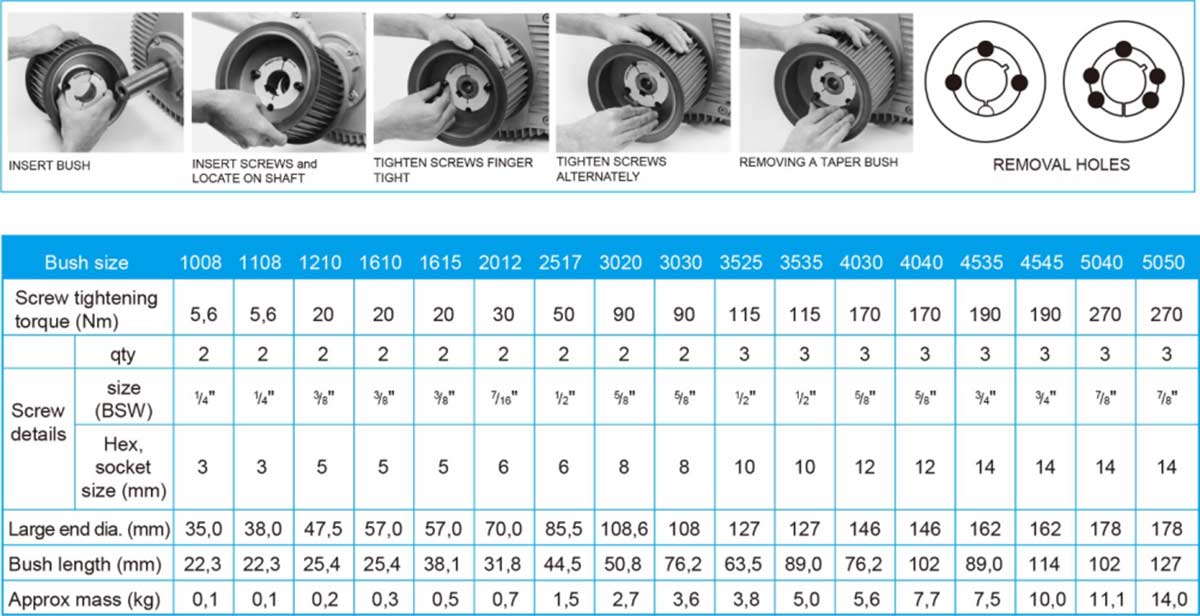
First, clean the shaft, the taper lock bushing, and the bore of the pulley or sprocket to remove any dirt, oil, or debris. This step is critical because contaminants can affect the friction grip between the taper surfaces. Next, insert the taper lock bushing into the tapered bore of the pulley or hub, aligning the half holes in the bushing with the threaded holes in the hub. Insert the mounting screws loosely at this stage.
Then, slide the entire assembly onto the shaft, positioning it according to your design requirements. Once in place, begin tightening the screws gradually and evenly in a crisscross pattern. As the screws are tightened, the taper lock bushing is drawn into the hub, causing it to contract tightly onto the shaft while simultaneously locking into the hub. This creates a strong, vibration-resistant connection.
After tightening, it is recommended to check the torque of the screws according to the manufacturer’s specifications. Running the system briefly and rechecking the tightness can help ensure the taper lock bushing is properly seated. For removal, the process is reversed: loosen the screws and insert them into the designated removal holes to push the bushing out of the taper.
What Are the Benefits of a Taper Lock Bushing?
A taper lock bushing offers numerous advantages that make it one of the most popular shaft mounting solutions in industrial power transmission systems. One of its primary benefits is its strong and reliable clamping force. The tapered design allows the bushing to grip the shaft and the hub simultaneously, ensuring excellent torque transmission without the need for additional keys or set screws in many applications.
Another significant advantage is ease of installation and removal. Unlike traditional interference fits or shrink fits, a taper lock bushing can be installed using simple tools. The self-locking taper mechanism ensures that once the screws are tightened, the connection remains secure even under heavy loads and vibrations. For maintenance, the bushing can be easily removed by using the designated jacking holes, reducing downtime and labor costs.
Taper lock bushings are also highly versatile and compatible with a wide range of components, including taper bore pulleys, sprockets, couplings, and gears. Their standardized design allows for easy interchangeability across different equipment and manufacturers, making them a convenient choice for global supply chains and replacement parts management.
Additionally, taper lock bushings help improve alignment and reduce runout, which is critical for high-speed applications. Better alignment leads to reduced vibration, lower noise levels, and extended equipment life. Their compact, flange-free design also saves space, making them ideal for applications with limited installation room.