Mounting Hubs are integral components used to securely attach rotating elements such as pulleys, gears, and sprockets to shafts. Designed for precision and durability, these hubs provide a stable interface that ensures accurate alignment and efficient torque transmission. Their robust construction allows them to withstand high loads and dynamic stresses, making them suitable for a wide range of industrial applications. Whether used in heavy machinery or automated systems, Mounting Hubs contribute significantly to the overall reliability and performance of mechanical assemblies.
The design of Mounting Hubs focuses on ease of installation and long-term stability. Many hubs are compatible with taper lock bushings or other locking mechanisms, enabling quick assembly and disassembly without the need for complex tools or machining processes. This feature not only reduces downtime but also simplifies maintenance procedures. Manufactured from high-strength materials such as cast iron or steel, Mounting Hubs offer excellent resistance to wear, corrosion, and deformation. Their precision machining ensures a tight fit and minimal runout, which is essential for maintaining smooth operation and preventing premature component failure. In modern industrial environments where efficiency and reliability are critical, Mounting Hubs provide a dependable solution that enhances system performance and operational flexibility.
-
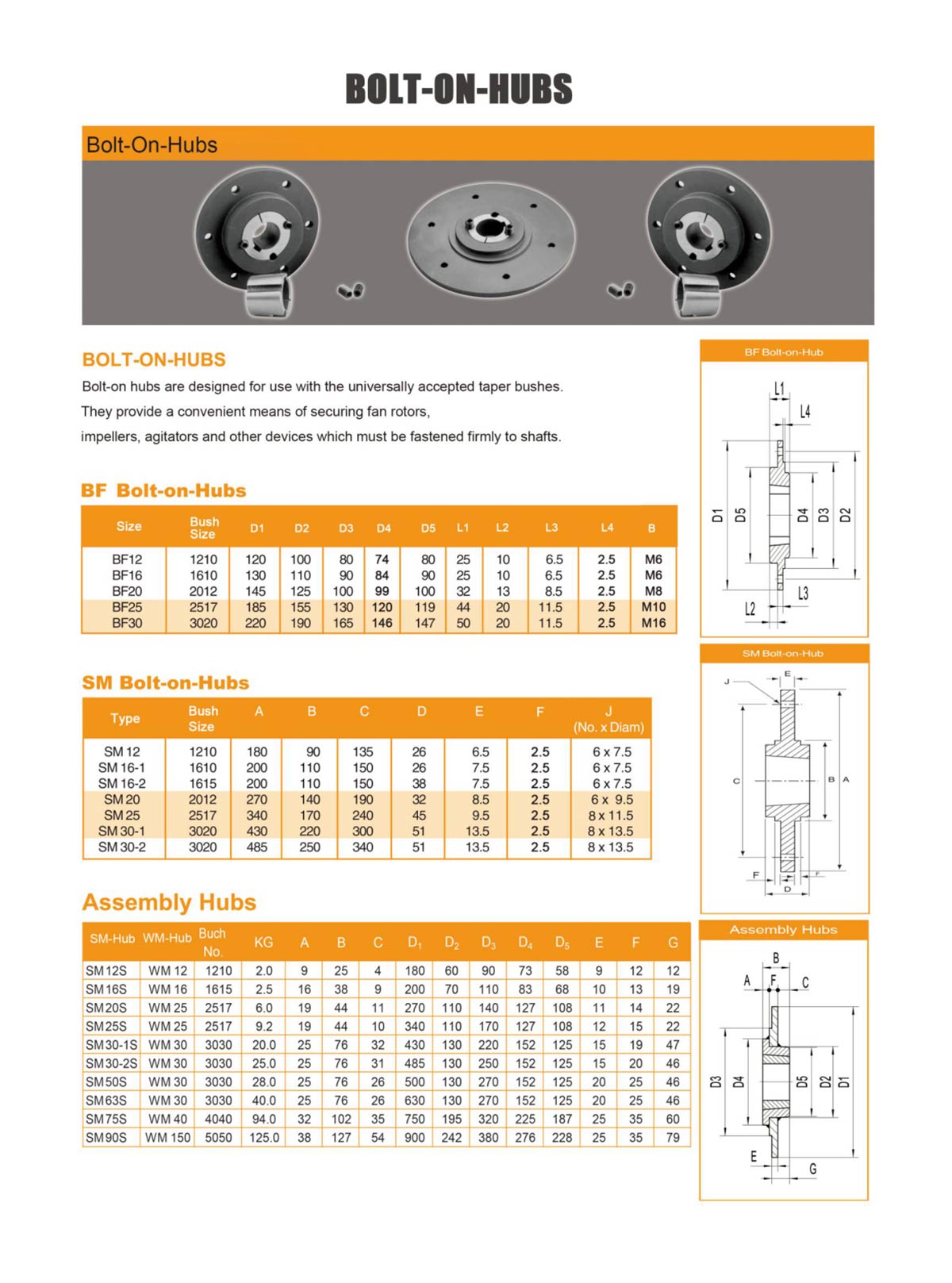
Bolt-on hubs are designed for easy installation and removal, allowing quick mounting of sprockets, pulleys, and other components. They provide secure connections and flexibility, making them ideal for maintenance-friendly and efficient power transmission systems. -
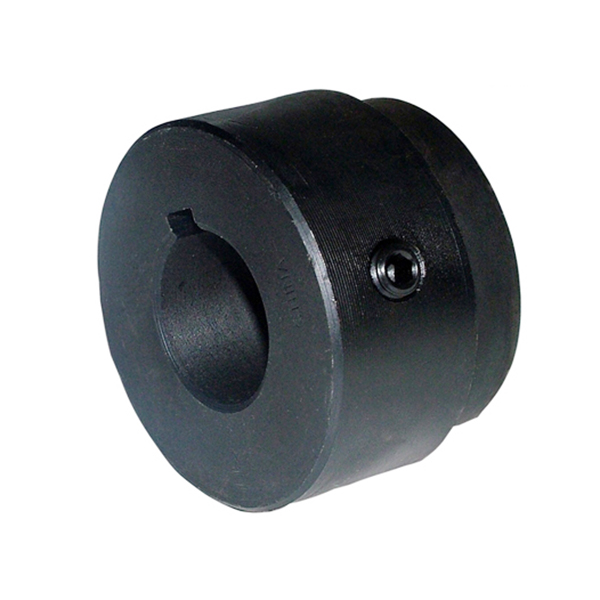
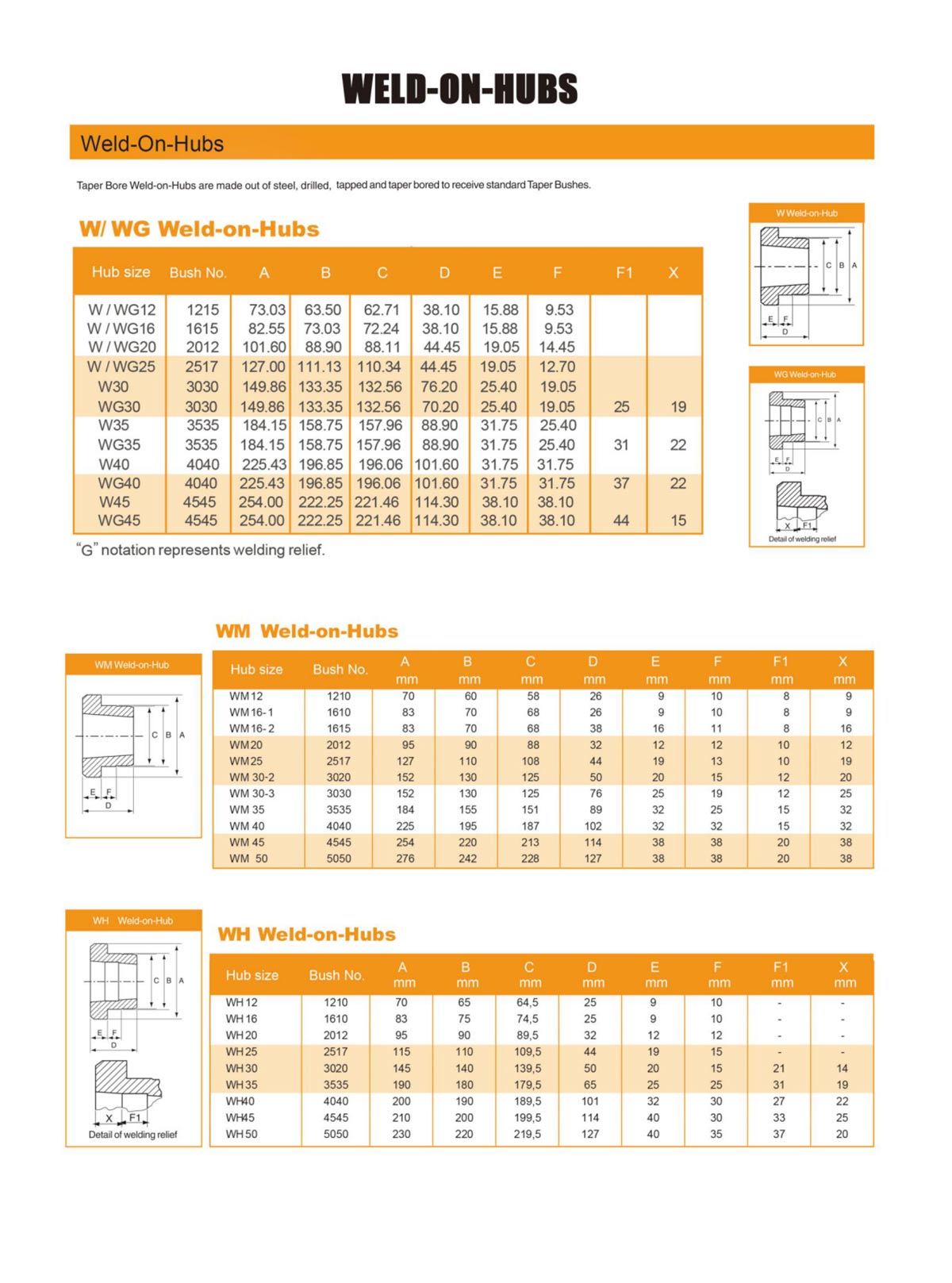
Weld-on hubs provide a robust solution for permanently attaching components to shafts. Designed for durability and strength, they ensure stable operation and are widely used in sprockets, pulleys, and coupling systems in industrial environments.
How to Choose the Right Mounting Hub for Shaft in Industrial Applications
Selecting the correct mounting hub for shaft is a critical step in ensuring reliable power transmission, precise alignment, and long-term performance of your mechanical system. Whether you are working with belt pulleys, sprockets, or couplings, the hub acts as the key interface between the rotating shaft and the driven component. Choosing the wrong type can lead to vibration, misalignment, and premature wear.
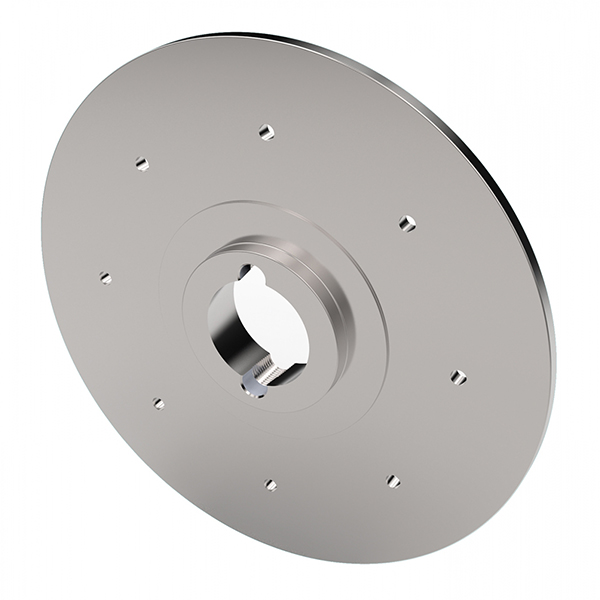
A universal mounting hub for shaft is often the preferred option for engineers and OEM manufacturers because of its versatility and compatibility with different shaft sizes and components. These hubs are designed to work seamlessly with standard bore configurations and can often be paired with taper lock bushings for enhanced clamping force and easy installation. This flexibility makes them ideal for applications where equipment may need to be modified or upgraded over time.
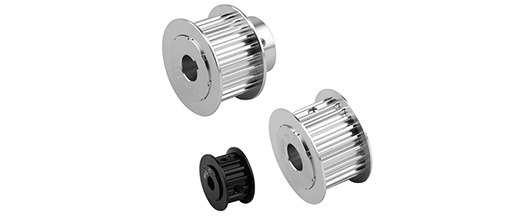
Material selection is another important factor. An aluminum mounting hub for shaft offers a lightweight yet durable solution, making it especially suitable for applications where reducing rotational mass is essential. Aluminum hubs also provide excellent corrosion resistance, making them ideal for environments exposed to moisture or chemicals.
In addition, consider load capacity, torque requirements, and operating speed when choosing a mounting hub. For high-speed systems, precision machining and proper balancing are crucial to minimize runout and vibration. Ease of installation and maintenance should also be evaluated, as designs with simple fastening mechanisms can significantly reduce downtime.
Why Stepper Motor Universal Mounting Hubs Are Essential for Precision Motion Systems
In modern automation and motion control systems, the stepper motor universal mounting hub plays a vital role in ensuring accurate positioning and efficient torque transmission. Stepper motors are widely used in CNC machines, 3D printers, robotics, and packaging equipment, where precision and repeatability are critical. The mounting hub serves as the connection point between the motor shaft and the driven component, such as a pulley, gear, or lead screw.
A universal mounting hub for shaft designed specifically for stepper motors offers flexibility and ease of integration. These hubs are engineered to fit a variety of shaft diameters and component interfaces, allowing designers to standardize parts across multiple systems. This not only reduces inventory complexity but also simplifies maintenance and replacement processes.
One of the key advantages of using an aluminum mounting hub for shaft in stepper motor applications is its lightweight nature. Lower rotational inertia helps improve acceleration and deceleration performance, which is essential for high-speed, high-precision movements. Additionally, aluminum provides excellent thermal conductivity, helping dissipate heat generated during motor operation.
Another important benefit is improved alignment and reduced backlash. High-quality stepper motor mounting hubs are manufactured with tight tolerances, ensuring a secure and concentric fit on the shaft. This minimizes vibration and enhances the overall accuracy of the motion system. When combined with timing belt pulleys or precision couplings, these hubs enable smooth, synchronized movement without slippage.