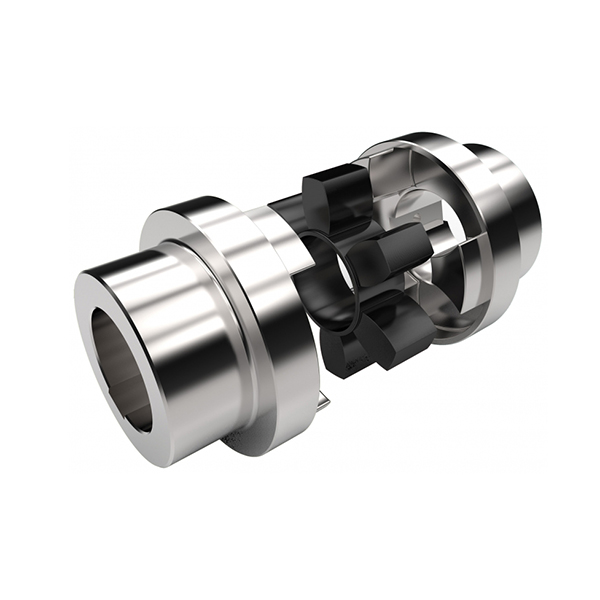
Industrial Timing Belt Pulley Price and Material Guide
Procuring precision power transmission components requires a balance between material durability and cost-efficiency. When evaluating the timing belt pulley price, procurement managers must look beyond the initial quote and analyze the total cost of ownership, including wear resistance and installation precision. High-performance pulleys are critical for maintaining synchronization in industrial machinery, where any slippage can lead to systemic failure or costly downtime.
Our technical focus extends to specialized components such as stainless steel sprockets and double simplex configurations, ensuring that the transmission system can handle high-torque loads in demanding environments. By integrating advanced casting processes and precision machining, we provide components that meet rigorous ISO9001 standards, serving industries ranging from agricultural machinery to heavy-duty mining equipment across Europe, the USA, and Asia.

Analyzing Material Selection for High-Torque Transmission Pulleys
The performance of a transmission system is fundamentally tied to the material properties of the pulley. For most industrial applications, carbon steel or alloy steel is preferred for its strength and hardness. However, in environments prone to moisture or chemical exposure, stainless steel sprockets are the superior choice due to their inherent corrosion resistance and longevity, reducing the frequency of replacement cycles.
Our manufacturing approach leverages a combination of foundry capacity and machining expertise. With a foundry output exceeding 1000 tons per month, we can optimize the casting process to minimize internal porosities, which is critical for components subject to cyclic loading. This structural integrity ensures that the pulley maintains its profile under stress, preventing premature belt wear and ensuring consistent power delivery across the drive system.
- Cast Iron: Excellent vibration damping for heavy machinery.
- Stainless Steel: Essential for food processing and chemical plants.
- Alloy Steel: Optimized for high-stress mining and agricultural equipment.

Engineering Specifications for Specialized Conveyor and Hinge Sprockets
Specialized transmission needs often require more than standard off-the-shelf parts. For instance, wheels for hinge sprockets and double simplex sprockets are engineered to handle specific directional loads and higher torque densities. By utilizing a double simplex design, engineers can increase the power transmission capacity without increasing the center distance between shafts, allowing for more compact machine footprints.
For conveyor systems, long pitch sprockets are utilized to reduce the overall weight of the drive chain and improve efficiency over longer spans. The precision of the tooth profile is paramount; even minor deviations can cause noise, vibration, and accelerated wear. Our machining workshops employ strict tolerances to ensure that every tooth engages perfectly with the belt or chain, maximizing the operational lifespan of the entire assembly.
Operational Integration in Heavy-Duty Industrial Environments
The implementation of power transmission parts varies significantly across different sectors. In windmill generators, the focus is on extreme reliability and the ability to withstand fluctuating loads. Conversely, in agricultural equipment, the priority is often a combination of ruggedness and ease of maintenance. Our ability to supply customer-designed products allows us to tailor the hardness and surface treatment of the pulley to these specific environmental stressors.
Correct tensioning is another critical factor. Using a dedicated sprocket tensioner ensures that the belt remains at the optimal tension, preventing tooth jumping and reducing the radial load on bearings. When integrating these components, it is vital to consider the alignment of the pulley bores; our precision machining ensures that hubs and couplings fit seamlessly, eliminating the vibration that often leads to premature mechanical failure.
Comparison of Transmission Component Material Suitability
| Material Type | Wear Resistance | Corrosion Resistance | Typical Application |
|---|---|---|---|
| Carbon Steel | High | Low | General Machinery |
| Stainless Steel | Medium | Excellent | Food & Medical |
| Ductile Iron | Medium | Medium | Agricultural Equipment |
| Alloy Steel | Very High | Low | Mining Equipment |
| Custom Alloy | Application-dependent | Application-dependent | Windmill Generators |
Quality Assurance and Manufacturing Standards in Gear Production
Reliability in power transmission is not accidental; it is the result of a rigorous quality control system. Our adherence to ISO9001 ensures that every stage, from the lost foam casting process to the final surface treatment, is documented and verified. This is particularly important for customized orders where the technical drawings must be translated into physical parts with zero margin for error.
The integration of six specialized branches—including separate foundry, machining, and assembling workshops—allows for a streamlined production flow. This vertical integration minimizes the risk of quality degradation during transport between vendors and enables faster iterations for OEM agricultural machines and environmental protection equipment. By controlling the entire process, we guarantee that the final product matches the engineered specifications exactly.
Strategic Procurement Considerations for Transmission Parts
When sourcing components, the primary goal is to minimize the total cost of ownership. While a low timing belt pulley price might seem attractive, the real value lies in the part's ability to operate without failure for extended periods. Procurement managers should prioritize suppliers who can offer both casting and precision machining, as this reduces the lead time and ensures better compatibility between the pulley and the shaft hub.
Future trends in the industry are leaning toward lighter, stronger materials and more sustainable manufacturing processes. As environmental protection equipment becomes more prevalent, the demand for high-efficiency transmission parts that reduce energy loss is increasing. Investing in precision-engineered pulleys not only improves machine performance but also contributes to the overall energy efficiency of the industrial plant.
Frequently Asked Questions on Transmission Pulleys
What factors most influence the final cost of a timing pulley?
The price is primarily driven by material selection (e.g., stainless steel vs. carbon steel), the complexity of the tooth profile, the precision of the machining tolerances, and the total volume of the order.
When should I choose stainless steel over carbon steel for sprockets?
Stainless steel is recommended for applications in food processing, pharmaceutical manufacturing, or any environment where the equipment is exposed to corrosive chemicals or frequent wash-downs.
How does a double simplex sprocket differ from a single sprocket?
A double simplex sprocket has two rows of teeth, allowing it to work with a double-strand chain or belt, which effectively doubles the torque transmission capacity without increasing the pulley diameter.
What is the advantage of the lost foam casting process?
Lost foam casting allows for the creation of more complex geometries with higher dimensional accuracy and a smoother surface finish compared to traditional sand casting, reducing the amount of subsequent machining required.
Can you manufacture pulleys based on custom technical drawings?
Yes, we specialize in customer-designed products and have a proven track record of supplying bespoke transmission parts for windmill generators and mining equipment globally.
How do I ensure the longevity of my timing belt and pulley system?
Proper alignment of the shafts and the use of a high-quality sprocket tensioner are essential to prevent uneven wear and maintain the synchronization of the drive system.
Technical Industry References
- ISO Standards for Quality Management Systems
- American Gear Manufacturers Association (AGMA) Technical Guidelines
- National Institute of Standards and Technology - Precision Engineering
- ASME Mechanical Engineering Standards
For professional consultation regarding transmission system optimization or custom pulley manufacturing, our engineering team is available to review your technical specifications and provide an optimized procurement solution.
Related Technical Insights