THE BUYER'S GUIDE / SELECTION
Choosing Taper Bore V-Pulleys SPC: Application Fit and Specification Checks
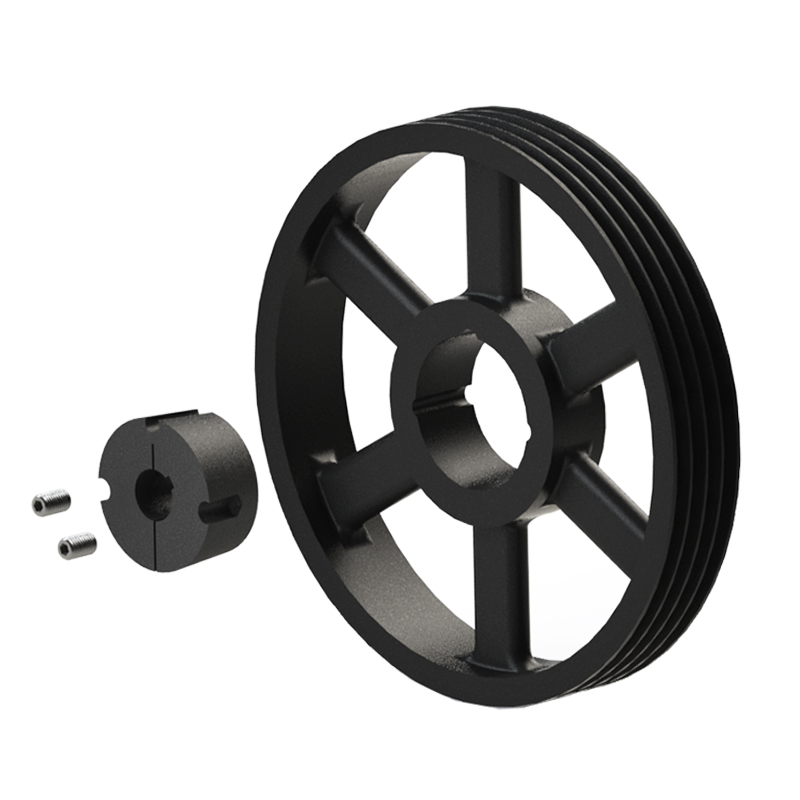
Taper Bore V-Pulleys SPC are designed for heavy-duty power transmission in demanding industrial environments. This guide walks procurement teams and engineers through the key specification checks and application conditions that determine whether SPC-series taper bore V-pulleys are the right fit — and how they compare to related narrow V-belt pulley options from HEBEI ORIENTAL INDUSTRY CO., LTD.

Belt section compatibility: confirm the drive belt is SPC-profile before selecting SPC taper bore V-pulleys; the SPC section is not interchangeable with SPZ, SPA, or SPB belt sections.
Groove angle and pitch diameter: the SPC V-belt pulley uses a 38-degree groove angle at pitch diameters of 315 mm and above; below that threshold a 34-degree groove angle applies. Buyers must confirm the pulley's benchmark diameter to specify the correct groove angle.
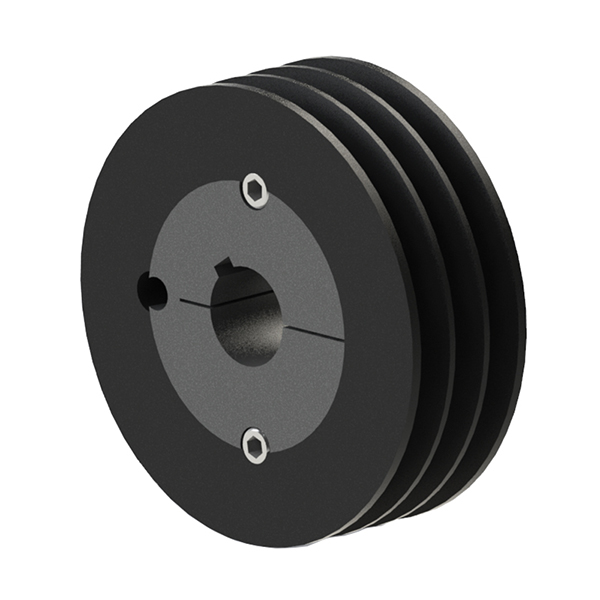
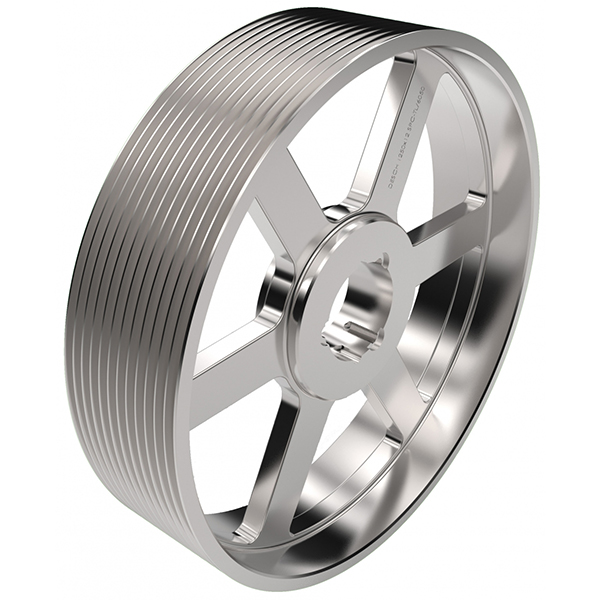
Number of grooves: SPC taper bore V-pulleys are available from 3 to 10 grooves (SPC-3 through SPC-10); the groove count must match the number of belts in the drive to distribute load correctly.
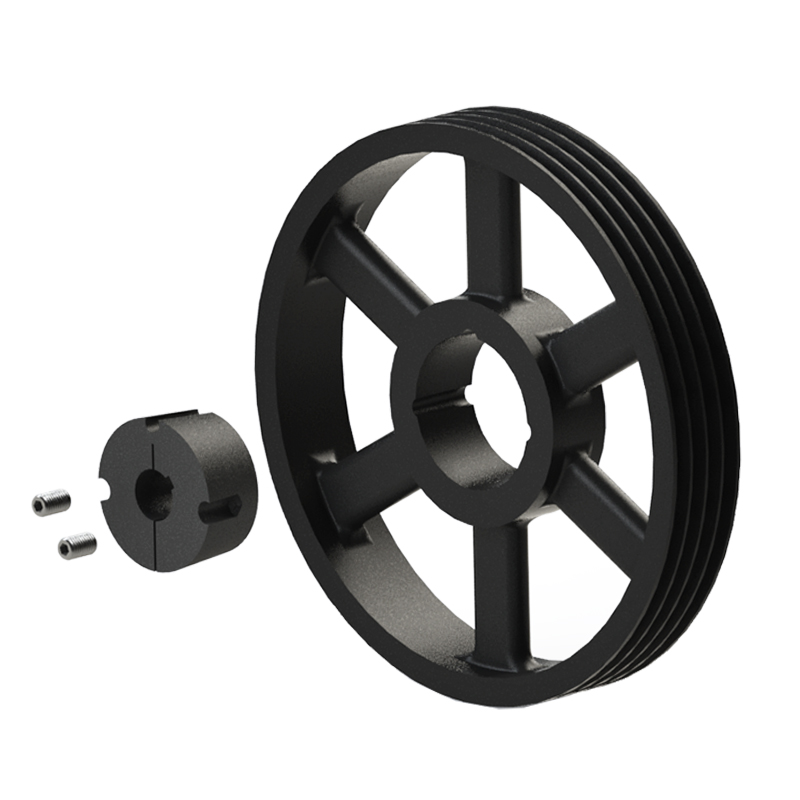
Taper bush bore size: the taper bore interface requires a compatible taper lock bush; the shaft diameter must be confirmed to select the correct bush bore and ensure a secure, concentric fit.
Minimum pitch diameter of the small pulley: a minimum diameter is specified for SPC belts on the driving pulley; operating below this limit increases bending stress and shortens belt life.
Duty level and application fit: the SPC section is the heaviest-duty narrow V-belt profile and is suited to high-power, heavy-duty industrial machinery requiring maximum power transmission, stability, and long service life under demanding conditions.
What Are Taper Bore V-Pulleys SPC?
Taper Bore V-Pulleys SPC belong to the narrow V-belt pulley family, which also includes the SPZ, SPA, and SPB series. Each series designation defines the cross-sectional size of the corresponding V-belt and governs the minimum pitch diameter of the small pulley in a drive system. The SPC section is the largest among the standard narrow V-belt sizes, making it the preferred choice when high power and robust load-bearing are required.
HEBEI ORIENTAL INDUSTRY CO., LTD. supplies SPC taper bore V-pulleys in multiple groove configurations — SPC-3, SPC-4, SPC-5, SPC-6, SPC-8, and SPC-10 — to accommodate a range of multi-belt drive layouts. The taper bore interface pairs with standard taper lock bushes, allowing the pulley to be fitted, aligned, and removed without special tooling, which simplifies maintenance in production environments.
Key Specification Checks Before Purchasing
1. Belt Section Compatibility
The SPC designation is not interchangeable with SPZ, SPA, or SPB pulleys. Each series defines a specific section size, and mixing sections results in poor seating, premature belt wear, and unreliable power transfer. Confirm that your existing or planned belt is a genuine SPC-profile belt before ordering SPC taper bore V-pulleys.
2. Groove Angle Selection (34° vs. 38°)
According to the product specification, the groove angle on SPC V-belt pulleys is not fixed — it depends on the pulley's pitch diameter:
- At pulley diameter ≥ 315 mm: the recommended groove angle is 38 degrees.
- Below that threshold: a 34-degree groove angle applies.
This distinction matters for procurement because ordering a pulley without confirming the diameter-to-groove-angle relationship can lead to belt slip, uneven load distribution, and reduced service life. Always confirm the benchmark diameter of the drive system and cross-check with the groove angle specification.
3. Number of Grooves
SPC taper bore V-pulleys are available in configurations from 3 to 10 grooves. The number of grooves must match the number of belts in your drive — more grooves allow higher total power transmission by distributing load across multiple belts. Specify the groove count when requesting a quotation.
4. Taper Bush Interface
The taper bore design requires a compatible taper lock bush (sold separately, unless specified otherwise). Buyers should confirm the shaft diameter and select the appropriate bush bore size to ensure a secure, concentric fit. Incorrect bush selection is a common source of shaft fretting and premature bearing failure.
5. Minimum Pulley Diameter
For each V-belt section, a minimum pitch diameter is specified for the small (driving) pulley. Running an SPC belt on a pulley below the minimum diameter increases belt bending stress and reduces belt life. The large pulley diameter is not restricted in the same way, giving flexibility in ratio selection, but the small pulley constraint must be respected.
Application Fit: When to Choose Taper Bore V-Pulleys SPC
SPC taper bore V-pulleys are well-suited to applications that combine the following characteristics:
- High transmitted power — the SPC section carries significantly more load per belt than SPZ, SPA, or SPB sections.
- Heavy-duty industrial machinery — typical end-use environments include industrial machinery where stability and long service life under demanding operating conditions are priorities.
- Multi-belt configurations — with groove options up to 10, these pulleys accommodate high-ratio, high-torque multi-belt drives.
- Frequent maintenance or belt changes — the taper bore interface makes installation and removal straightforward, reducing downtime.
If your application involves lighter loads or smaller shaft sizes, the SPA or SPB series may be more appropriate. SPA taper bore V-pulleys address higher-performance, medium-duty needs, while SPB taper bore V-pulleys are suited to medium-duty applications with improved load capacity relative to SPA.
Comparing the Narrow V-Belt Pulley Series
Understanding where SPC fits within the narrow V-belt family helps buyers make a better-informed decision:
| Series | Relative Duty Level | Groove Angle Threshold | Available at HEBEI ORIENTAL |
|---|---|---|---|
| SPZ | Lightest | — | Yes (refer to SPZ product) |
| SPA | Medium–High | 118 mm (38°) | Yes |
| SPB | Medium–Heavy | 190 mm (38°) | Yes |
| SPC | Heavy-Duty | 315 mm (38°) | Yes — SPC-3 to SPC-10 |
Groove angle thresholds are the diameters at or above which a 38° groove angle is recommended per product specification.
For synchronous (no-slip) drive requirements, HEBEI ORIENTAL INDUSTRY CO., LTD. also offers HTD taper bore timing pulleys and taper bore timing pulleys in L and H profiles, which are a separate product category and not interchangeable with V-belt pulleys.
Checklist: Specification Inputs for a SPC Pulley Inquiry
To receive an accurate quotation or technical confirmation, buyers should prepare the following information:
- Belt section — confirm SPC (not SPB, SPA, or SPZ)
- Number of grooves required — SPC-3, SPC-4, SPC-5, SPC-6, SPC-8, or SPC-10
- Pitch diameter of both the driving and driven pulley — required to confirm groove angle and minimum diameter compliance
- Shaft diameter — to specify the correct taper lock bush bore
- Operating environment — load type, duty cycle, and any special conditions such as exposure to dust, moisture, or temperature extremes
About HEBEI ORIENTAL INDUSTRY CO., LTD.
HEBEI ORIENTAL INDUSTRY CO., LTD. is a professional manufacturer and exporter of casting parts and machining parts, with mechanical power transmission components — including pulleys, bushes, hubs, and couplings — as its core traditional product lines. The company has supplied power transmission components to customers in industries including industrial machinery, agriculture equipment, food machines, and mining equipment.
THE PEOPLE

About the author
THE COMPANY
HEBEI ORIENTAL INDUSTRY CO., LTD.
HeBei Oriental Industry Co., Ltd. is a professional manufacturer and exporter of casting parts and machining parts. Our company has six branches with 300 employees, which includes one foundry, three machining workshops, one assembling workshop and one surface treatment workshop. Mechanical power transmission parts, eg. pulleys, bushes, hubs, couplings etc, are our main traditional products, which we have been produced around 20 years.…
About Us ↗Visit company website ↗YOUR NEXT STEP
Bring your brief. Start a useful conversation.
Use case, specification, quantity and delivery window: make the next conversation specific.
Post time: Oct . 28, 2026 00:25